
Gas Sensor Markets
Industrial Manufacturing:
Facilities utilize gas sensors to monitor air quality, detect hazardous gases, and ensure workplace safety, often with integration into automated systems for real-time monitoring and control of industrial processes.
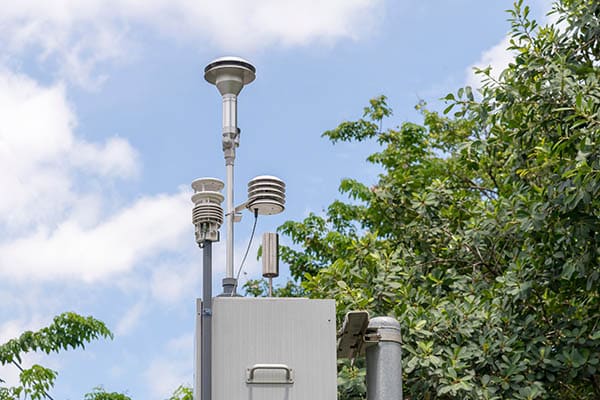
Environmental Monitoring:
Measurement and analysis of air quality, pollution levels, and greenhouse gas emissions necessitate a crucial role for gas sensors to provide data for regulatory compliance, pollution control efforts, and climate research.
Oil and Gas Industry:
Heavy reliance on gas sensors for leak detection, safety monitoring, and process optimization in various critical operations which include oil refineries, offshore platforms, and natural gas processing facilities.
Automotive Industry:
Gas sensors integrated into vehicles for emission control systems, cabin air quality monitoring, and engine performance optimization help manufacturers comply with emissions regulations to improve vehicle efficiency.
Healthcare:
Gas sensors provide critical monitoring capability for anesthesia gases, sterilization processes, and indoor air quality in hospitals and medical facilities which maintain a clean, healthy environment to ensure patient safety.
Smart Cities:
Gas sensors are incorporated into urban infrastructure for real-time monitoring of air quality, pollution levels, and environmental hazards which enable data-driven decisions to improve public health and quality of life.
Consumer Electronics:
Gas sensors integrated into consumer electronics such as air purifiers, smart home devices, and wearable technologies facilitate effective indoor air quality monitoring which enhances personal wellness applications.

Agriculture:
Gas sensors for monitoring greenhouse gases, detecting excess ammonia, and optimizing conditions for crops and livestock help farmers improve crop yields, reduce resource usage, and minimize environmental impact.
Defense and Security:
Gas sensors are crucial for defense and security applications to detect chemical and biological hazards in military and homeland security scenarios to safeguard personnel, facilities, and infrastructure against potential threats.
Mining:
Gas sensors used in mining operations for monitoring air quality, detecting harmful gases, and ensuring worker safety underground help mitigate risks associated with gas emissions and ventilation systems in mining facilities.
Energy and Utilities:
Gas sensors used in energy and utility facilities such as power plants, utility substations, and renewable energy installations provide safety compliance, emissions monitoring, and rapid leak detection identification.
Food and Beverage Industry:
Gas sensors utilized in the food and beverage industry monitor food storage conditions, detect off-gases from spoilage, and ensure product quality standards are met throughout the production and distribution process.
Research and Development:
Gas sensors used for R&D laboratories within academic or industry settings can qualify other novel gas sensing technologies based on newly developed sensor materials to explore innovative applications in various fields.
Construction:
Gas sensors used in the construction industry monitor air quality, detect hazardous gases, and ensure overall safety of workers who spend considerable time at construction sites as well as nearby residents.

Consumer Goods:
Gas sensors integrated into specific consumer products such as gas detectors for home use, portable gas analyzers, and personal safety devices to detect and alert users about the presence of hazardous gases.
Continuous innovation in gas sensor technology can occur due to advancements made in materials science, data analytics, and wireless connectivity. AtmoSense’s objective is to drive further growth and diversification in the gas sensor market across various sectors in the years to come.